
Ultra Local and Farm-to-Table Dining in Grey County
Ultra local dining takes the farm-to-table concept to its most radical form – sourcing ingredients not just from the region, but often from farms within a 25-kilometre radius of the kitchen. In Grey County, this philosophy has become more than a trend; it is the foundation of a culinary movement that connects Meaford-area chefs directly with the land, the seasons, and the producers who shape every plate. Here we look at how it works – from the field to the fork and from the farm to the table.
Understanding the Ultra Local Philosophy
The concept of ultra local dining goes beyond the familiar farm-to-table label. While farm-to-table broadly means sourcing from local producers, ultra local narrows that radius dramatically – often to within 25 kilometres of the restaurant. In Grey County, Ontario, this philosophy has found a natural home, thanks to the region’s rich agricultural heritage and the dedication of its chefs.
From Farm-to-Table to Ultra Local: What Changed?
Aspect | Farm-to-Table | Ultra Local |
|---|---|---|
Sourcing Radius | Within province (100-500 km) | Within 25-50 km of restaurant |
Supplier Relationship | Through distributors or direct | Personal, face-to-face only |
Menu Planning | Seasonal, updated quarterly | Weekly or daily, based on harvest |
Ingredient Traceability | Farm name listed sometimes | Specific farm, field, and date |
Chef Involvement | Orders from suppliers | Visits farms, selects personally |
Winter Strategy | Imports supplement local | Preservation: pickle, ferment, smoke |
Ultra local cuisine is built on direct relationships between restaurants and individual farms. Rather than ordering through distributors, chefs in the Meaford area often visit their suppliers personally, selecting ingredients based on what is ready for harvest that day or week. The term “ultra restaurant” has even entered casual use among Ontario food enthusiasts to describe any establishment that commits fully to this hyper-local sourcing model.
Grey County’s Agricultural Foundation
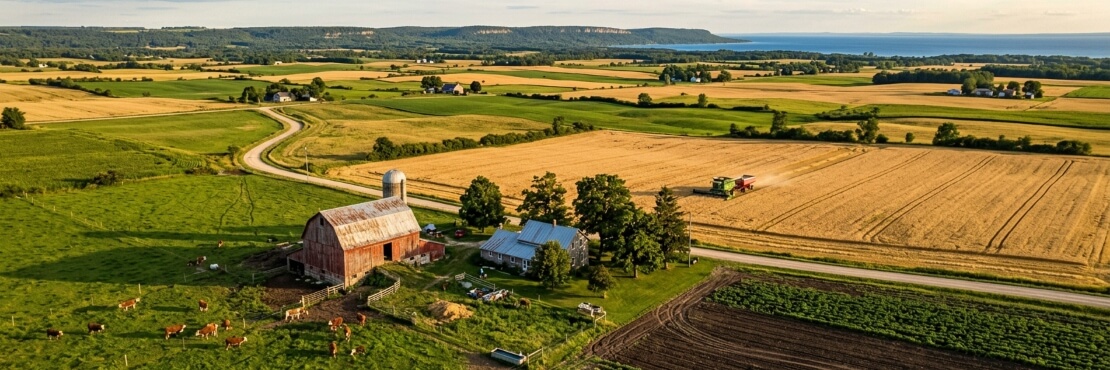
Did You Know? Grey County encompasses over 4,500 square kilometres in southwestern Ontario and contains more than 2,000 active farms spanning over 300,000 hectares. The average farm-to-restaurant distance in the Meaford area is under 30 kilometres – compare that to the average food mile in conventional dining, which can exceed 2,400 kilometres.
Grey County’s suitability for ultra local dining is no accident. The region has been an agricultural heartland for generations, with fertile soil fed by the Niagara Escarpment and a microclimate moderated by Georgian Bay. Farms here produce an extraordinary range of goods – from tender greens and root vegetables to heritage-breed livestock and artisanal dairy.
Key Agricultural Products of Grey County
Product Category | Notable Items | Peak Season |
|---|---|---|
Tree Fruit | Apples (40+ varieties), pears, plums | August – October |
Vegetables | Heritage tomatoes, asparagus, sweet corn | June – September |
Livestock | Pasture-raised beef, lamb, poultry | Year-round |
Dairy & Cheese | Artisanal cow and goat cheese | Year-round |
Foraged Goods | Ramps, fiddleheads, wild mushrooms | April – June, September |
Maple Products | Syrup, sugar, vinegar | March – April |
Grains & Flour | Heritage wheat, rye, spelt | August – September |
Preserves | Jams, pickles, ferments, honey | Year-round |
How Farm-to-Table Restaurants Work in Meaford
A restaurant committed to ultra local sourcing operates differently from a conventional establishment. Menus are typically shorter and change more frequently – sometimes weekly, sometimes daily – based on what is available. This demands flexibility and creativity from the kitchen team.
“I don’t write a menu and then find the ingredients. I find the ingredients and then write the menu.” – A Meaford chef on the ultra local approach
Types of Farms Supplying Local Restaurants
Farm Type | Products | Role in Local Dining |
|---|---|---|
Organic Vegetable Growers | Heirloom tomatoes, greens, herbs, root vegetables | Supply salads, side dishes, tasting courses |
Heritage Livestock Farms | Pasture-raised beef, lamb, pork, poultry | Main course proteins, charcuterie |
Small-Batch Dairy | Artisanal cheese, cream, butter, yogurt | Cheese boards, cooking ingredients, desserts |
Apiaries / Beekeepers | Raw honey, beeswax, honeycomb | Sweeteners, glazes, cheese pairings |
Orchards | Apples, pears, stone fruit, cider | Desserts, sauces, vinegars, beverages |
Grain Farms | Heritage wheat, rye, spelt | Artisan bread, pasta, pastries |
Foragers | Ramps, fiddleheads, wild mushrooms, berries | Seasonal specials, garnishes |
Seasonal farmers’ markets in Meaford and nearby towns provide another window into the local food system. For visitors, a morning at the market followed by a restaurant meal featuring the same producers is a uniquely satisfying experience.
Seasonal Menus and Ingredient Sourcing
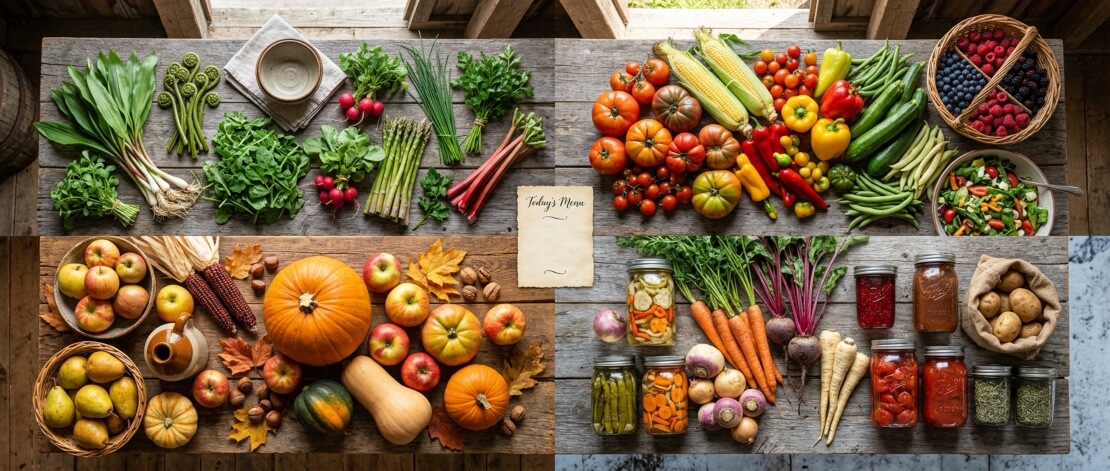
Farm-to-table restaurants in Meaford operate on the rhythm of the agricultural calendar. Spring menus feature early greens, ramps, and maple-infused dishes. Summer brings the full bounty of Georgian Bay’s growing season. Autumn is apple season, with Grey County’s famous orchards supplying fruit for everything from pies to chutneys to cider reductions. Winter menus rely heavily on preserved goods, root vegetables, and slow-cooked meats.
“When a chef tells you exactly which field your salad was growing in this morning, that changes how you experience a meal.” – A Grey County food writer on the farm-to-table experience
Farm-to-Table vs. Conventional Dining: Why It Matters
Factor | Farm-to-Table (Meaford) | Conventional Restaurant |
|---|---|---|
Ingredient Freshness | Harvested same day or week | Days to weeks in transit/storage |
Carbon Footprint | Under 30 km average | 2,400+ km average food miles |
Economic Impact | Revenue stays in Grey County | Revenue leaves to distant suppliers |
Menu Flexibility | Changes with harvest | Fixed, standardized year-round |
Flavour Quality | Peak ripeness, minimal handling | Bred for shelf life and transport |
Farmer Compensation | Direct, fair pricing | Wholesale, commodity rates |
The Community Impact of Ultra Local Dining
Beyond flavour, ultra local dining has significant benefits for the Grey County community. By purchasing directly from area farms, restaurants help sustain small-scale agriculture. The movement also drives culinary tourism – visitors who come to Meaford for the meaford food often stay to visit farms, attend markets, and support other local businesses.
Did You Know? According to Ontario Culinary Tourism Alliance data, culinary tourists in Ontario spend on average 30% more per trip than general tourists, making food-driven visitors especially valuable for rural economies like Grey County’s.
5 Tips for Getting the Most Out of Farm-to-Table Dining
- Visit during peak harvest. Late summer and early fall offer the widest variety of fresh ingredients and the most dynamic menus.
- Ask about sourcing. Ultra local restaurants are proud to share where their ingredients come from – the stories behind the food often enhance the meal.
- Embrace the unexpected. If a dish features an ingredient you do not recognize, try it. Ultra local menus are a chance to discover flavours you cannot find elsewhere.
- Pair with a farm visit. Many of the farms that supply ultra local restaurants welcome visitors for tours or U-pick experiences.
Try the preservation plates. Winter and early spring menus showcase the chef’s preservation skills – pickled, fermented, and smoked goods that are deeply flavourful and uniquely local.